Best Money Apps of 2026 to Budget, Save, and Grow
Managing money used to mean spreadsheets, paper statements, and a lot of guesswork. In 2026, a smartphone and the right apps can replace almost all of it. Choosing the best money apps for your situation can help you budget automatically, save without thinking, earn cashback, and even start investing with pocket change.
This roundup breaks the top apps into clear categories so you can build a stack that matches your goals. We will look at what each type does, how to combine them, and how to avoid the clutter of downloading too many.
Why the Best Money Apps Beat Old Methods
Modern money apps connect directly to your accounts and update in real time. Instead of reconciling numbers once a month, you see your financial picture the moment something changes. That speed turns good intentions into consistent action.
- Automatic tracking removes the burden of manual entry.
- Real-time alerts catch overspending before it snowballs.
- Automation moves money to savings without willpower.
- Rewards features return cash on everyday purchases.
The result is less stress and more control. According to research summarized by the Consumer Financial Protection Bureau, people who track spending regularly tend to save more and feel more confident about their finances.
Categories of the Best Money Apps
No single app does everything well. The smartest approach is to pick one strong tool from each category you need. Here is how the main types compare.
| App Type | Main Job | Who It Helps |
|---|---|---|
| Budgeting | Categorize spending and set limits | Anyone building a monthly plan |
| Payment and transfer | Send and split money instantly | Roommates, friends, freelancers |
| Savings automation | Round up and auto-transfer | People who struggle to save |
| Micro-investing | Invest small amounts automatically | Beginners starting from zero |
| Cashback and rewards | Earn money back on purchases | Regular shoppers |
Budgeting and Tracking Apps
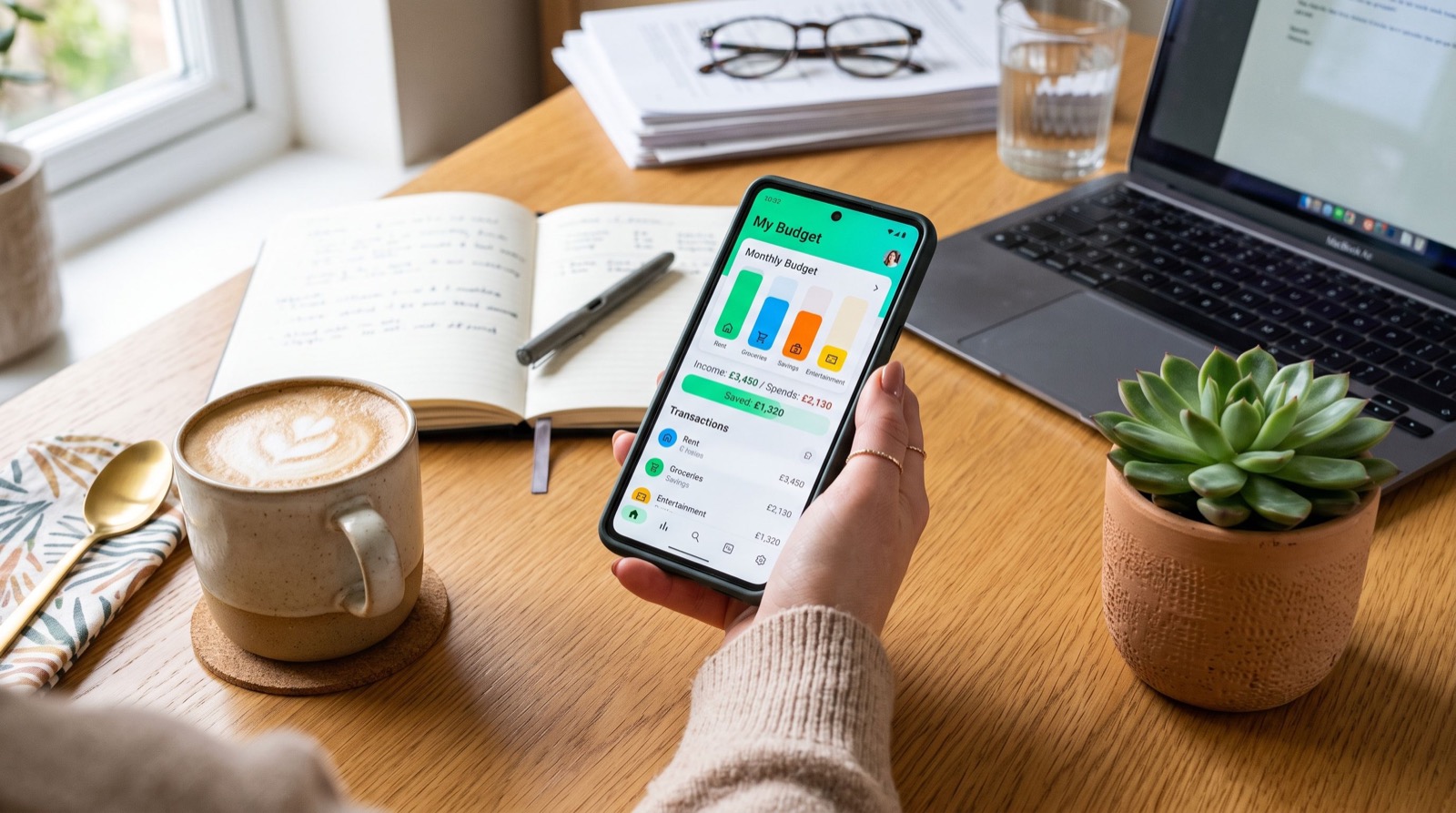
These are the foundation of any money stack. They link your bank and credit accounts, sort transactions, and show where your money goes. Look for one with custom categories, bill reminders, and a clean dashboard so you check it daily rather than dreading it.
Payment and Peer-to-Peer Apps
Payment apps make splitting rent, repaying friends, or invoicing clients effortless. One of the most popular options offers cashback, a debit card, and investing features all in one. Pairing the right app with solid personal finance tips helps you use it safely and get the most value from its Boosts and direct deposit perks.
How to Choose the Right Apps for You
Start with your biggest pain point. If overspending is your problem, lead with a budgeting app. If you cannot save, lead with an automation app. Then add tools only as new needs appear.
- Identify your single biggest money challenge.
- Pick one highly rated app that solves it.
- Use it consistently for 30 days before adding another.
- Review fees and cancel anything you do not use.
Comparing several of the best money apps side by side helps you avoid paying for overlapping features. Many free apps cover the essentials without any subscription at all.
Savings and Micro-Investing Apps
For people who struggle to save, automation apps are a game changer. They round up your purchases to the nearest dollar and stash the difference, or move small fixed amounts on a schedule. You save without noticing the pinch.
Micro-investing apps take this a step further by putting spare change into diversified portfolios. Starting with just a few dollars removes the intimidation of investing and lets compound growth begin working early. Time in the market matters more than the size of your first deposit.
What to Look for in a Savings App
- No minimum balance and low or zero fees.
- Automatic round-ups and recurring transfers.
- FDIC-insured accounts for cash savings.
- Clear goals tracking to stay motivated.
Cashback Apps That Return Real Money
Cashback apps reward you for purchases you already make. Some work through linked cards, others through a browser extension or in-app store. The best ones require almost no effort once set up, quietly returning money each month.
To maximize returns, activate offers before shopping and combine cashback apps with a rewards card you pay off in full. Small percentages add up to meaningful money over a year of groceries, gas, and online orders.
An Original Tip for Getting Real Results
Here is a strategy that separates people who benefit from money apps from those who ignore them: schedule a weekly ten-minute “money date” with yourself. Open your budgeting app, review the past week, and adjust one thing. This tiny ritual keeps the app active in your life instead of forgotten on your home screen, and it compounds into major progress over a year.
Combining Apps Without Overload
More apps do not equal more control. Three or four well-chosen tools almost always beat a dozen. Keep your budgeting app as the command center and treat everything else as a supporting player. If you ever feel overwhelmed, simplify rather than add.
Watch out for overlapping features and hidden subscription fees. Two apps that both track spending create confusion and split your data. Before adding a new tool, ask whether it fills a genuine gap or simply duplicates something you already own. A lean stack is easier to maintain and far more likely to stick over the long run.
For setup help or account issues, official in-app support and reliable local experts can resolve problems quickly so you stay on track.
Frequently Asked Questions
What are the best money apps for beginners?
Beginners should start with one simple budgeting app and one payment app. These two cover tracking and transfers, which are the most common daily needs. Add savings or investing apps once you feel comfortable.
Are money apps free?
Many are completely free, with optional premium tiers. Free versions typically handle budgeting, payments, and basic savings, while paid tiers add advanced reports and automation. Always check fees before subscribing.
How many money apps should I use?
Three or four is ideal for most people. Choose one from each category you actually need, and resist downloading extras that duplicate features you already have.
Are money apps safe?
Reputable apps use encryption and multi-factor authentication. Enable every security feature, use strong unique passwords, and only download apps from official app stores to stay protected.
Final Thoughts
The best money apps of 2026 give you a level of financial clarity that was impossible a decade ago. By choosing a focused stack, automating the boring tasks, and holding a short weekly money date, you can budget smarter, save more, and grow your wealth steadily. Start with the one app that solves your biggest challenge today, then build from there.